Methylene diphosphonic acid (MDP)
Catalogs:
Overview
MDP is a compound used in nuclear medicine to bind the short-lived medical radioisotope Tc-99m to hydroxyapatite, a calcium phosphate mineral in human bone. It is, therefore, feasible that it could immobilize Tc-99 contaminants in groundwater systems. University of Manchester researchers worked with researchers from Pacific Northwest National Laboratory and the Christie NHS (National Health Service) Foundation Trust to form a soluble complex of MDP with chemically reduced Tc-99. They then used hydroxyapatite to capture and bind 99 percent of the Tc-99-MDP complex from a solution. The experiment was conducted under environmental conditions similar to those found at nuclear legacy sites, and further experiments suggested the technique would work in flowing groundwater conditions.
According to the study, this Tc-99-MDP technique, when combined with phosphate mineral-forming remediation technology, could result in the targeted, long-term removal of technetium from contaminated land and groundwater.
Tags
-
No tags applied
Developed by
University of Manchester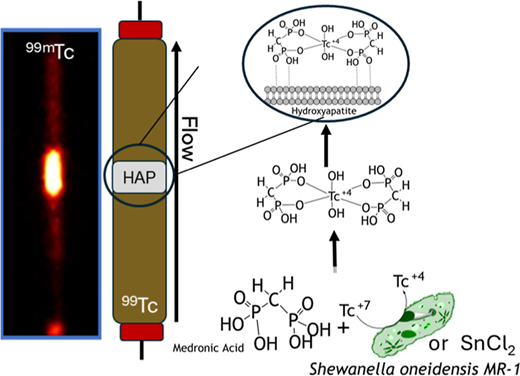

Author: Ian Seed
Created: 2026-11-13 Modified: 2026-11-13
●
Offline